WELCOME TO OUR TEAM!

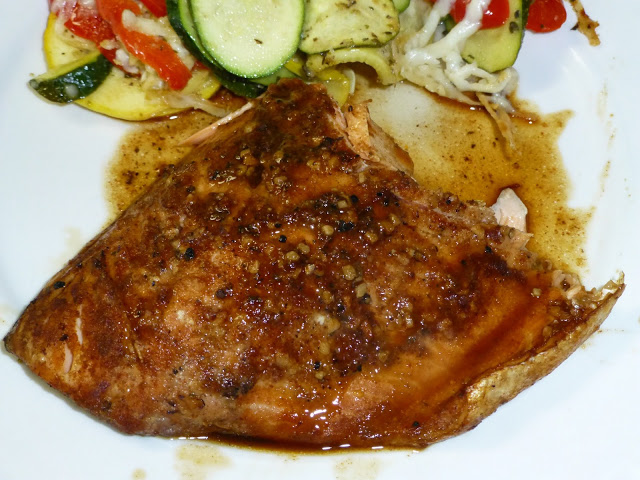
BBQ Salmon

bbq salmon
Ingredients:
7 ounces of raw salmon filet, skin removed
2 tsp liquid smoke (1/2 condiment)
2 tsp kikoman low-sodium soy sauce (1 condiment)
2 Tbsp Walden Farms Original BBQ Sauce (1 condiment)
1/4 tsp minced garlic (1/4 condiment)
1/4 tsp onion powder (1/4 condiment)
scant sprinkling of cracked black pepper

Preheat oven to 350 degrees.

Cut off a piece of foil twice the size of the filet and lay it on a baking sheet. Spritz the foil with cooking spray. Lay the fish in the center of the foil. Pour the liquid smoke, soy sauce and bbq sauce over the filet. Sprinkle the minced garlic, onion powder and cracked black pepper over the filet.

Wrap tightly and bake at 350 degrees 20-30 minutes until the fish flakes easily.

1 lean, 3 condiments

Plateau

 9

Plateau Tips

For most people, achieving success on this great program is simple and doesn’t require any counting of calories or carbohydrates. Here are a few tips that can help if you are experiencing slower weight loss or if you reach a weight-loss plateau at some point in your program.

Remember ” A True Plateau” is no movement in weight loss or inches for more than 3 weeks.

 ×        If you haven’t started exercising yet, now may be the time. Start slowly, and gradually increase time and intensity as your body allows. Remember, listen to your body! If you are already exercising, try picking up the intensity or frequency of your workouts.

×         If you are exercising intensely, you may be pushing too hard- try to avoid excessive “huffing and puffing” while exercising.  Your body will store fat if you are overworking it!

×         In general, be aware of your total carbohydrate intake. If you are experiencing slower weight loss or hit a plateau, we recommend staying between 80-85 grams of carbs per day.

×    Try eating more “liquid” products for a few days, which are generally the lowest in carb content (shakes, smoothies, soups, drinks).

×    Choose meats from the leanest category and veggies from the lowest carb category for a week.  Eat more fish!

×         Avoid eating your optional snack.

×    Maintenance Bars (in the green wrapper) are higher in carbs than other Meals and you are only allowed one of these a day during the weight-loss phase, if you are having one a day – lay off for a while.

×         Ask your health coach about a support website to log your meals and be sure you are eating the lean meat and green veggie meal as it is recommended.  Get the link from your health coach.

×         Make sure you are drinking half of your body weight in ounces of water each day.  At least 64 ounces, but preferably 100 ounces or more is best for getting off a plateau and continuing success.

×         Talk to your health coach about special products to add to your program that will help you burn more calories and increase your metabolism.

×         Make sure you are eating within a half hour of waking up, and never surpassing 3 hours between meals.

If you’ve tried these tips and are not getting the results you expected, contact your health coach for more ideas.

10 Tips to Get You Started on the Right Track

Start-preparing-for-ACA

Preparing for the first day

Tomorrow is the day! You are probably very excited to get started – and

maybe a little apprehensive, too.  Here are a few tips that will make the first

day easier for you and ease your anxiety a little bit.

  •  Read your Guide from cover to cover today. This came in your

food box. Get it out and read it carefully. This is your instruction manual that

you will refer to time and time again.

Take the online Health Assessment Quiz on your health coach’s website.

This will give us a benchmark of your starting point.

  •  Clear your cupboards. Today is the day to get rid of all your favorite

foodstuffs that are not allowed on your plan: chips, candies, ice cream, wine,

cheese, dairy products, cakes, breads, crackers, fruit, you get the idea.

Sure, I know you’re determined – but at 3:00 PM tomorrow afternoon you might not

be feeling quite so sure of yourself! So make it easy on yourself and get it out

of the house – NOW.

Put family members on notice that they will have to eat their favorites out of the house and out of your sight – at least for the next two weeks until you get your routines well-established.

  •  Plan tomorrow’s Lean & Green meal. There are some great recipes on

your health coach’s website or on this website under the recipes category.

Go to the store tonight and get what you need to prepare your L&G tomorrow.

Keep it simple: 5-7 ounces of grilled lean beef, chicken or fish, and 3 servings of

non-starchy vegetables. That’s it. See your Lean & Guide for details.

  •  Select 6 Fuelings to take with you tomorrow (1 extra), and put

them in a zip lock bag. Just pick up the bag and take it on the way out the

door (you’ll have that extra meal in case you are hungry or get delayed

for lunch).

  •  Take your measurements and your BEFORE picture tonight. You’ll be really,

really sorry if you don’t do this. After you lose weight – And You Will – it will be

too late. Do it now! Having this picture will be inspirational!

  •   Ask your health coach to be added to our Facebook Private Groups for clients.  It’s a treasure-trove of very practical info, including recipes, tips and an entire interactive online community. You’ll love it!
  •  Be sure and weigh yourself tomorrow morning just before you step into the

shower. This will be your starting weight, and although it’s discouraging – it

will be the last day you see that number on the scale. : ) Send it to your health

coach.

  •   No exercise for first 3 weeks: If you are not currently exercising, don’t start

now. We recommend that you wait until your body adjusts to the lower

calorie intake, or about three weeks. If you ARE currently exercising, you will

need to cut that in HALF, both duration and intensity. No huffing and puffing

and no going over 45 minutes.

  •  Sign up for the texting campaign.  Your coach can send you the #.

Finally, Get a good night’s rest.

Transition to Maintenance

transition

Before beginning the transition it is so important to wrap your mind around the most important principle and that is: The journey toward a healthy you never ends!!! It is a constant movement be the best that we can be.
Every single choice you make, every single day, either moves you towards health or away from it! So, all of the great heatlhy habits you learn while on this program stay with you:
+Drinking water 
+Reducing stress 
+Increasing movement 
+Healthy sleep
+Healthy mind, etc!
As you near your goal, your health coach provides a wealth of information to help you and we are always here to answer questions or formulate a plan.   Here are some resources to help you:

TEE Calculator

*A TEE Calculator will help you to determine how many calories you will need to maintain your desired weight.

Keeping your Weight Off

The Program helped you develop healthful eating habits. Eating small, frequent meals (6 times per day) of portion controlled, nutritious food is a great habit to carry over into Maintenance. Many people who have worked hard to achieve a healthy weight find success by continuing to eat 2–3 PCMR meals each day. This is a convenient way to keep calorie levels within range, and also helps you stick with your 6-times-per-day meal schedule.


The four stages of transition are as follows:


An ear of corn isolated on a white background

Stage 1: Additional Vegetables

Week 1
(850-1050 calories)

Any of your favorite starchy vegetables can now be added back as your selection

What you eat:

5 PCMR Meals
1 Lean & 3 Green Meal
1 additional cup vegetables

You are adding in some additional calories in the form of another serving of veggies.

You can now enjoy any veggies (even the ones that used to be off-limits like carrots, onions, etc.)

__________________________________________________________________________________________________________________________________________________________________________


fruit

Stage 2: Fruits

Week 2
(900-1150 calories)

Fresh fruit is desired but if canned fruit is used, choose unsweetened or packed in juice – not syrup

What you eat:

4 PCMR Meals
1 Lean & 3 Green Meal
1 additional cup vegetables
2 medium sized pieces of fruit or
1 cup of cubed fruit or berries

__________________________________________________________________________________________________________________________________________________________________________


?????????????????????

Stage 3: Dairy

Week 3
(1000-1300 calories)

Dairy includes low-fat and/or sugar-free yogurt, milk, or lactaid product

What you eat:

4 PCMR Meals
1 Lean & 3 Green Meal
1 additional cup vegetables
2 medium sized pieces of fruit or
1 cup of cubed fruit or berries
1 cup low-fat or fat-free dairy

__________________________________________________________________________________________________________________________________________________________________________


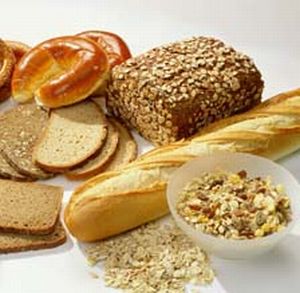
grains

Stage 4: Whole Grains

Weeks 4-6
(1100-1550 calories)

Whole grain can be 1 slice of whole grain bread
½ whole grain English muffin
3/4 cup high fiber cereal
1/2 cup whole-wheat pasta
1/2 cup brown rice

What you eat:

3 PCMR Meals
1 Lean & 3 Green Meal
1 additional cup vegetables – raw or cooked
2 medium sized pieces of fruit or
1 cup of cubed fruit or berries
1 cup low-fat, or fat-free dairy
1 serving of whole grainAdditional 4- 6 oz. of meat, chicken, fish or seafood that is baked, poached or broiled (not fried)

__________________________________________________________________________________________________________________________________________________________________________

It is good to have an end to journey;

but it is the journey that matters, in the end.

~Ursula K. Le Guin


Fat Burn

fat-burning-zone

How does a person lose weight safely and quickly?

This program works by putting you in a “fat burning state”. This is more technically known as a very mild “dietary ketosis.” Ketosis is a stage of metabolism where your body has depleted the reserves of its main form of energy – glycogen. Once those reserves are gone, your liver will begin breaking down stored fat in the body for use as energy. Breaking down the fat yields fatty acids and three types of ketone bodies (hence, the name ketosis). The ketones are then burned by the cells in your body as an alternative fuel.

Getting Into the Fat Burning State 

Arguably, the worst part of being on the program is getting into FB. Our bodies have done what they’ve always done for millions of years – they’ve adapted to life as they know it. Our lives have led to us being overweight by indulging in bad foods in bad quantities. Our bodies are now used to that type of existence. Introducing a new nutritional paradigm (ketosis) to our bodies will necessitate it’s adapting to the new condition. This adaptation is stressful for the body and we will feel the effects.

Your body will notice a dramatic drop in caloric intake at first. We’ve gotten our bodies used to abundant calories and carbohydrates for long periods of time or to an up and down pattern of calories/carbs which our bodies see as “feast or famine”. Either way, when we take the calories/carbs away, our bodies will react:

  • Hunger – you’re going to feel hunger because your body is used to having more than it has now. Not atypical for dieting in general.
  • Fatigue – you’re taking in dramatically less fuel (food) than you used to and your body will probably try to compensate by getting you to slow down your expenditure of energy. It does this by decreasing your metabolic rate. This can make you feel tired, even dizzy. It’s a type of warning that your body’s giving you saying “if you don’t get some food, I’m going to start burning fat!
  • Headache – some report headaches associated with “carbohydrate withdrawal”. Whether it’s truly withdrawl or not, we don’t know. However, it certainly seems that way to those who suffer its effects. The typical headache relief methods (ibuprofen, acetaminophen, aspirin) are allowable while on the program, however your stomach may seem more sensitive to them because it’s no longer loaded with food. Try to use such products soon after having a meal and drink plenty of water.
  • Irritability – when you’re hungry, tired and/or have a headache…you can be understandably irritable. Try to keep in mind that you may be more inclined to react negatively to things during this short time and don’t go off on those who don’t deserve it.

THE GOOD NEWS is that this transition generally lasts only 2-4 days. Once you’re in FB, you’ll feel a difference in your energy level. It will go up significantly as your body begins to enjoy having an alternative fuel source – FAT STORES!

Being in Fat Burning

As the ketones pervade your bloodstream to supply the cells with energy, your state of FB begins to manifest some side effects. Some of those side effects are disquieting, but they’re not bad for you.

Ketones will show up in your urine, which are sometimes able to be detected with Ketostix, but the state of ketosis that our program evokes is so mild that often such tests won’t show a positive result on the Ketostix.

One of the three types of ketones is permeable to the lungs and can pass from the blood through the lung walls and becomes incorporated into your exhalations, the same way that carbon dioxide passes out of the body. This can cause “ketosis breath” and a slight metallic taste in the mouth. This is unpleasant, but can be easily overcome with frequent brushing of teeth (a few times a day) and sugarless gum/mints.

A woman’s cycle can also be affected while in ketosis. Your cycle may be disrupted or cease all together. While this is an odd occurrence for a woman, it is not completely unexpected while in this state.

You may occasionally feel hunger while in FB, but it should be more mild than normal. Since you’re eating every few hours, you shouldn’t feel that gnawing sensation associated with hunger prior to being in ketosis. As your body adapts to the new circumstances, it may even develop an internal clock that will make you mildly hungry right around meal time. For most, there is no hunger at all and people need to remember or even be reminded that they need to eat!

Breaking Fat Burning

Staying in Fat Burning revolves around keeping your body from getting excess carbohydrates. If your body comes to the conclusion that there are enough carbohydrates available to use as its main fuel source, it will end the FB state and resume using carbohydrates. This crash out of FB has some side effects as well:

  • Hunger – your body will assume that since you’re getting enough carbs to end FB, there must be ample food available. Coming out of FB and having food available is exactly the type of situation that the body has adapted for over the millennia – “Feast or Famine”. Now, it sees it as a time to feast so that you can replenish the glycogen that you depleated while getting into FB. That replenishment requires more fuel – more food! Therefore, your body tells you to eat, eat and eat. You’ll be almost insatiably hungry.
  • Immediate and dramatic weight gain – As your body restores its glycogen, you’re gaining weight…quickly. Several pounds in a period of a couple days is not uncommon.

Resuming Fat Burning

If you fall out of FB for some reason, the best thing to do is to start working to get right back in it. Follow the program as if you didn’t do anything to fall out.

If you “cheated” and had a candy bar or a hamburger or whatever, resume the program as if you hadn’t had it at all. Keep on your meal schedule and get in your 5 MF meals and a Lean and Green. Don’t abandon the day, weekend or week by just giving up on it because you’ve “screwed it up”. Just get right back into the program immediately.

Doing this helps to significantly reduce the amount of time it takes to get back into FB. The longer you stay out of FB, the longer it takes to get back into it. So, hop right back on the wagon!


Symptoms of Rare Side Effects

Possible Side Effects & Symptoms

*NOTE: Most of the time, our clients report feeling energized and better than they did prior to starting this program however, if you are ill or do not feel well, see your doctor. Unless your doctor says otherwise, you should be able to continue on plan, as most symptoms experienced are temporary.  Whenever you change your eating habits in any way, sometimes the body may react.

If you have questions, talk to your Health Coach.

Leg Cramps

Some individuals may experience leg cramps on the program. If you are on medications you will want to have these monitored and adjusted accordingly throughout your weight loss program.

·         Try having  bouillon or a PCMR Soup, or zero carb/calorie sports drink to replenish sodium and electrolytes.

·         Make sure to keep well hydrated

·         Do not arbitrarily add potassium to your program without first consulting with your doctor. You will want to have labs done to determine how much (if any) potassium should be added. Adding inappropriate amounts of potassium can potentially affect heart rhythms.

·         Add veggies high in potassium like tomatoes, asparagus, mushrooms, green beans, zucchini, cauliflower, broccoli.  Salmon is also a good source of potassium.

Preventing nighttime leg cramps:

·         Stretch your calf muscles before going to bed. Press your toes against a wall, hold for 30 seconds, relax, and repeat.

·         Keep blankets and sheets loose at the foot of the bed to keep your toes from pointing downward while you sleep.

·         Consider taking a calcium supplement before bed.

·         If you get a cramp in your calf, flex your foot up (toes toward your head) and hold until the cramp stops. Apply heat to the affected area, or massage.

Preventing cramps when you exercise

·         Stretch and warm up for 10 to 15 minutes before exercising.

·         Don’t overdo your exercise: 30 to 45 minutes is adequate when you’re in the weight-loss phase of the Program.

·         Drink plenty of water. Excessive perspiration can cause you to lose sodium and potassium, resulting in a cramp.

·         Don’t exercise on a full stomach.

Dizziness, light-headedness, Fatigue

·         If you feel dizzy, light-headed, or extra tired, try having a PCMR Soup, bouillon, or zero carb/calorie sports drink to replenish sodium and electrolytes.

·         Make sure to keep well hydrated and have medications monitored while doing the program.

·         Please contact your physician if you are experiencing any of these symptoms after your first few weeks on the program.

·         If you have struggled with being hypoglycemic, ask your coach about adding protein to your meals.

Women’s Issues

Rapid weight loss may cause an increase in the level of estrogen in the bloodstream. This in turn may possibly affect menstrual cycle regularity, change PMS symptoms, and/or increase fertility. Please contact your Ob-Gyn if you have any concerns or questions.

Headache

Individuals may experience a headache at the onset of the program. This is a result of getting into the fat-burning state.  If you consume a lot of caffiene, do not quit cold turkey.  This could cause more headaches because your body will have withdrawals.  Instead, taper off or use 0 calorie diet drinks or tea.

·         Tylenol or aspirin can help relieve pain symptoms

·         Make sure to get in at least 64-ounces of water, 100-ounces if you can.

·         You should not experience a headache beyond Week 1 of the program

·         Sometimes because urination has increased, more salts may be needed. Drink a cup of chicken or beef boullion, or zero carb/calorie sports drink to replenish sodium and electrolytes.

Loose Skin

Some individuals may experience loose skin on the program (due to weight loss).  Your skin has natural elasticity and will adapt to your smaller size given time. Stay well hydrated, keep getting great nutrition and use moisturizer. It may take 6 months to a year to see full improvement but it will happen in most people.

Incorporating exercise into the program can help improve muscle tone. The skin however lies over the muscle and is separate from it, so it will not be affected by muscle tone. Check with your physician if you don’t see improvement after several months at your weight goal. 

Feeling Cold

Some individuals may feel cold on the program – a result of the lower caloric intake. Try one of our hot products, and make sure to carry around a sweater or jacket.

Rash

Some individuals may experience a rash, perhaps due to one of the following:

1.       an allergy to an ingredient in the products, or

2.       the increased consumption of protein

Benadryl or Cortisone cream may help get rid of the rash. If the rash persists, it is likely due to an allergy – and use of the contributing products should be discontinued in this case.

Gas

Some individuals may experience gas on the program. Generally this will go away after incorporating an antacid such as sugar-free Rolaids or Tums.

·         Gas can sometimes result from a change in diet and some have this more than usual during the first week of the program.

·         Certain individuals may experience gas due to lactose intolerance. If an individual is lactose intolerant, Lactaid may be incorporated along with the program.

·         Drink all of your water!

·         The soy can also cause a reaction like any bean product might – use an enzyme like “beano” with each soy meal. Probiotics may also help to reduce digestive problems….

·         Try using the digestive health product you can order with your food- ask your coach.

·         If the program digestive health product is not strong enough, try VSL-3 found at any pharmacy without a prescription.  It is about 100 times stronger than the program probiotic.

·         You also may try not eating any bars for a week- sometimes these are more gas-inducing than other meals.

·         Some vegetables cause more gas such as broccoli, asparagus, cabbage, and cauliflower. 

Diarrhea

Some individuals may experience diarrhea on the program. Incorporating Imodium can help get rid of the diarrhea. If the diarrhea persists for more than a couple of weeks, we recommend discontinuing the product. Constant diarrhea can affect your electrolyte balance.

·         Sensitivity to soy can cause this, please call your coach for help if this is true for you.

·         Diarrhea may result from a change in diet, sometimes due to the higher consumption of greens.  A few clients experience this during the first few days on plan.  Imodium should help in this instance.

·         Diarrhea may coincide with lactose intolerance. If an individual is lactose intolerant, Lactaid may be incorporated along with the program. Don’t forget our lactose-free products and our dairy-free Ready-to-Drink shakes!

·         Try using the digestive health product you can order with your food- ask your coach.

Bad Breath

Some individuals may complain of bad breath or a funny taste in their mouth (usually referred to as a sweet or metallic taste). This is a result of being in the fat-burning state.

·         Individuals can use up to 5 pieces of either sugar-free gum or mints to help get rid of the taste

·         Sugar-free Listerine strips may help

·         Make sure to brush teeth well

Constipation

Some individuals experience constipation on the program. This can result from lower food intake amounts, which slows down your system.

·         Try adding wheat bran to the oatmeal (not wheat germ).

·         Take Omega 3 capsules up to 6 per day you can order with your food – ask your coach.

·         You can use sugar-free Benefiber to help relieve the constipation (1gr of carb = 1 condiment and you are allowed 3 a day)

·         You may try stool softeners

·         Try incorporating 1-2 tbsp of canola or olive oil into your diet

·         Try using the digestive health product you can order with your food- ask your coach

If these tips do not work, please consult with your physician

Hunger that doesn’t go away

If you continue to struggle with hunger beyond the first week or two, your stomach may be excreting more acid than needed for the small volume of food intake. This can create a “gnawing” sensation in your stomach that feels exactly like hunger. If you have a history of having an ulcer or gastritis, you can be particularly prone to this type of hunger problem. To manage hunger that won’t go away, consider taking an acid-blocker medication such as Zantac®, Tagamet® or Pepcid AC®. You will find these in most drug stores or grocery stores – usually in the same location as antacids.

Can I continue with the program if I catch a cold or get the flu?

You may incorporate a sugar free cough drop and/or sugar free medicine. Check out the carbohydrate level, if available. Remember that 1 g of carbohydrate equals one Condiment Choice. You may have up to 3 Condiment Choices per day.

If a person catches a cold or gets the flu, they can continue to follow the plan provided the symptoms are not too severe. Sometimes listening to the body is the best “medicine” and this may entail including “comfort” foods such as crackers, etc. It is very common for people to lose their appetite when sick. If you are so sick that you are unable to keep food down, whether it is the program’s food or other foods, it is best to listen to your body and feed it what it wants and can tolerate – even if it is not on plan.

If you choose to include foods that are not on plan, this is ok. It is just important to know that adding foods “off plan” may bring your carbohydrate intake greater than 100gm for the day and temporarily stop the fat-burning state. Once feeling better, you can resume the plan and achieve a fat-burning state again. This will effect weight loss but only temporarily – which illness tends to do anyway.

I hope this helps. There is no “right” or “wrong” thing to do with your meal plan when you are sick and not feeling well. Our program provides suggestions and wants you to know there is nothing in the meal replacements that is contraindicated for use while sick as they are just food. As with any other day of your life, choosing healthy foods to assist your body in fighting a virus or bacterial sickness/infection is always the best choice. Your PCMR meals are healthy and small portions which typically work well, even when a person is not feeling their best.

Managing Muscle Cramps

If you experience muscle cramps while you’re on the Program, several strategies can help.

·         First, avoid getting dehydrated. Make sure that you’re drinking enough water, especially while exercising.

·         Second, review your medications with your physician. If you’re taking high blood pressure medicine or a “water pill,” he or she may adjust your dosage.

·         Third, consider choosing your PCMR Meals and Lean & Green Meal selections that are higher in sodium, calcium, and potassium (minerals essential to normal muscle function). Here are some examples:

Vegetables: Broccoli, spinach, celery, tomatoes, turnip greens, collard greens, summer squash, or kohlrabi
Healthy fat: Green olives
Optional snack: Bouillon or dill pickle spears
Beverage: Sugar-free tonic water that contains quinine (quinine helps ease muscle cramps)
NOTE: We do NOT recommend use of over-the-counter potassium supplements without physician supervision.